Tooting High Street removals local guide for homeowners
If you are planning a move around Tooting High Street, you already know it is not quite the same as moving on a sleepy suburban road. There is more footfall, tighter access in places, busier parking, and a general sense that the street never really stands still. That is exactly why a Tooting High Street removals local guide for homeowners is so useful: it helps you think through the small details that make a big difference on moving day.
Whether you are upsizing, downsizing, moving after years in the same house, or simply trying to get the whole thing done without chaos, this guide walks you through the practical side of moving locally. You will find planning advice, local considerations, best-practice packing tips, and a few sensible reminders that can save time, money, and stress. Truth be told, most moving problems are not dramatic - they are just tiny things left too late.
Below, we break the process down in plain English so you can make calmer decisions and avoid the usual moving-day scramble.
Why Tooting High Street removals local guide for homeowners Matters
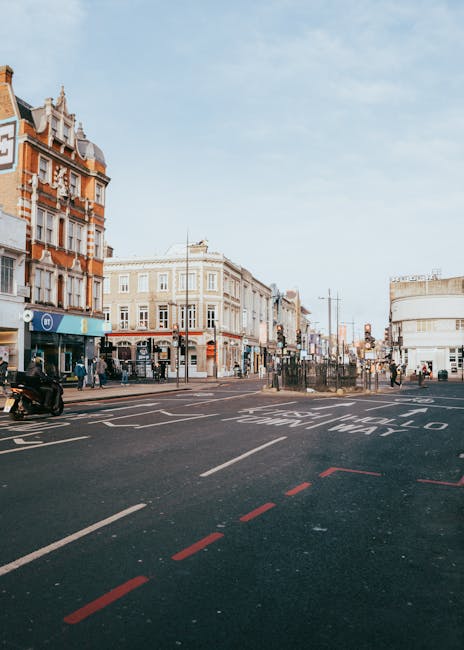
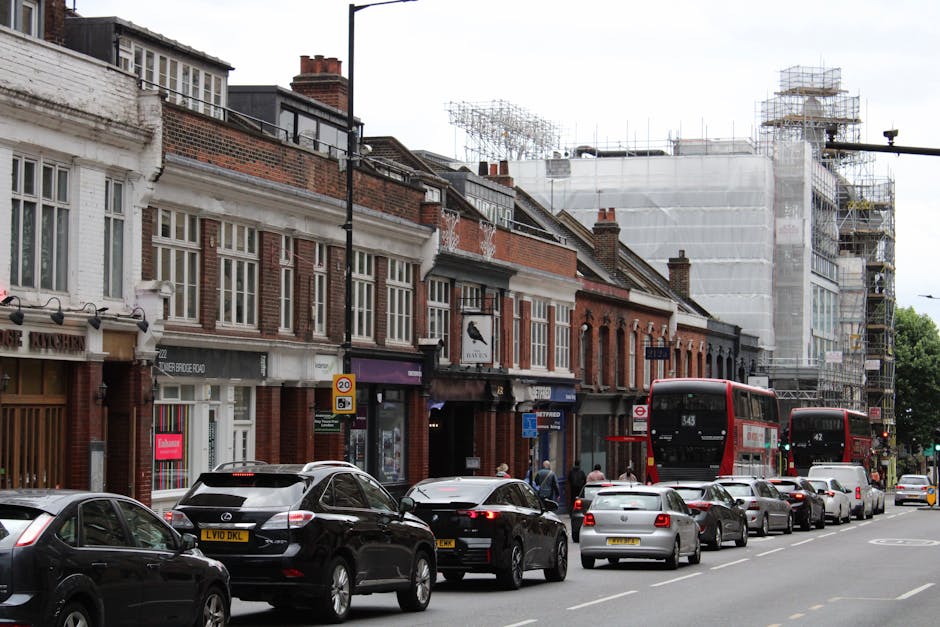
Moving home is always a logistical puzzle, but moving near a busy London high street adds a few extra layers. On and around Tooting High Street, the everyday reality is a mix of traffic, pedestrians, deliveries, public transport, and homes that may have limited space for loading and parking. That means the removal plan has to be more thoughtful than a simple "turn up and load the van" approach.
For homeowners, the stakes are practical. You may be dealing with a narrow frontage, shared access, flats above shops, limited on-street waiting, or a short window when a van can safely stop without causing a fuss. Even if your move is only a few streets away, the route, timing, and access conditions can shape the whole day. A well-prepared move makes the difference between a controlled transfer and a frantic one. And nobody wants to be that person sprinting up and down the pavement with a box of pans while the kettle is still packed.
The local element matters too because each street has its own rhythm. A removal plan that works beautifully in a quiet cul-de-sac can fall apart on a busier road with constant movement and limited stopping space. So this guide is about anticipating those friction points before they become problems.
Key takeaway: the closer and busier the move, the more important planning becomes. Local knowledge is not a luxury here; it is part of the job.
How Tooting High Street removals local guide for homeowners Works
A good removals plan for Tooting High Street is built around three things: access, timing, and protection. You assess how the vehicle will reach the property, when the move can happen with the least disruption, and how everything will be packed and handled to avoid damage.
The process usually starts with a home assessment or at least a detailed conversation. That is where you flag staircases, basement storage, lift access, long carry distances, awkward parking, or any items that need special handling. A sofa that looks perfectly ordinary in your front room can become a problem once you realise it has to pivot through a tight hallway and down a narrow staircase. Small detail, big impact.
Then comes the move plan. This normally covers the order of loading, the size of vehicle needed, the packing approach, and any extra equipment required, such as trolleys, blankets, wardrobe boxes, or protective covers. For busy local roads, the timings may also be set to avoid school runs, peak traffic, or the most congested parts of the day.
The last part is execution. On moving day, the team should work methodically: protect the property, move items safely, keep fragile pieces separate, and keep the route clear. Homeowners can help by keeping essential items aside, making sure keys are ready, and being clear about what should go first. A calm move is usually a structured move, not a lucky one.
Key Benefits and Practical Advantages
There are several reasons homeowners benefit from a local, street-aware removals approach rather than a generic one. The obvious one is convenience, but there is more to it than that.
- Less wasted time: When parking, access, and loading points are planned properly, the team spends more time moving your belongings and less time solving preventable problems.
- Lower risk of damage: Better packing, better routing, and better handling reduce the chance of scraped walls, chipped furniture, or broken items.
- Less disruption to neighbours: On a busy street, considerate timing and tidy loading help avoid complaints and keep the day civil.
- Clearer budgeting: A better understanding of access and labour needs can help avoid unexpected add-ons later.
- More confidence for you: Moving is stressful enough without guessing whether the van can actually stop outside your home.
There is also a quieter benefit that people often notice only after the move: they feel less exhausted. When the logistics are sorted early, the whole process feels less like being dragged by the day and more like guiding it.
Who This Is For and When It Makes Sense
This guide is especially useful if you are a homeowner moving within or around Tooting High Street, but it also helps if you are moving to or from nearby streets with similar access conditions. It makes sense for:
- owners moving from terraced houses or maisonettes
- people leaving flats above shops or mixed-use buildings
- homeowners with restricted parking or shared drive access
- families with a lot of furniture, toys, or household equipment
- downsizers who need a calm, staged move rather than a rushed one
- anyone trying to avoid a last-minute scramble on a busy London road
It is also relevant if you are doing some of the move yourself but still want professional support for heavy items, transport, or loading. Not every move needs a full-service package. Sometimes what you really need is a sensible, local method with the right amount of help.
If you are moving with young children, work commitments, pets, or a fixed completion time, this sort of guidance becomes even more valuable. Let's face it, moving day has a habit of turning into "everything happens at once" unless you have a plan.
Step-by-Step Guidance
Here is a practical way to approach a local move around Tooting High Street without losing your head halfway through.
1. Start with a proper property review
Walk through the home and note the things that affect moving: stair height, hallway width, parking availability, fragile items, awkward furniture, and anything stored in lofts, sheds, or basements. If you have ever tried to carry a wardrobe out of a narrow landing, you already know why this matters.
2. Decide what is going and what is not
Before boxes start appearing everywhere, separate keep, donate, recycle, and dispose piles. Moving unnecessary items only adds labour and clutter. A lighter move is usually a calmer move. There is no prize for relocating things you have not used in five years.
3. Book the right level of support
Some homeowners just need transport and heavy lifting. Others need full packing, dismantling, furniture wrapping, and reassembly. Choose the level that fits your situation, not the one that sounds easiest on paper but leaves you buried in tape at midnight.
4. Prepare for access and parking
Check where a van can stop safely and how long it can remain there. If access is tight, the team may need to position the vehicle carefully or work in stages. For busy roads like Tooting High Street, a few minutes of planning here can prevent a lot of faffing later.
5. Pack room by room
Room-by-room packing makes unpacking much easier. Label boxes clearly, and if possible, add a short note about contents and destination room. "Kitchen - mugs and breakfast items" is much more useful than "misc.". The kitchen box will thank you first thing the next morning.
6. Set aside essentials
Prepare a first-night box with basics: phone chargers, medications, kettle, tea bags, snacks, toiletries, and a change of clothes. Include important documents and keys somewhere easy to reach. You will be grateful later, probably during the first half-hour in the new house when you cannot remember where the scissors went.
7. Protect the home as well as the furniture
Door frames, bannisters, floors, and corners are all vulnerable during a move. Good protection reduces the risk of accidental scuffs. A careful team treats the route through your home as part of the job, not just the items themselves.
8. Do a final sweep before the van leaves
Check cupboards, loft spaces, meter cupboards, sheds, under beds, and behind doors. It is remarkable how often something important is left in a place that looked "obvious at the time".
Expert Tips for Better Results
After enough local moves, certain habits stand out as consistently helpful. They are not flashy, but they work.
Tip 1: Build in a buffer. If you think something will take 20 minutes, assume it may take 30. That extra breathing room lowers stress and gives you space when traffic or access is slightly worse than expected. In London, that is not pessimism. It is realism.
Tip 2: Keep communication simple. One clear point of contact is better than several people making different assumptions. If there is a fragile item, an awkward staircase, or a neighbour-sensitive loading point, say so early.
Tip 3: Photograph tricky items before they are moved. This helps you remember how furniture is assembled, how cables fit together, or where parts belong. It is especially useful for beds, modular shelving, and office-style desks.
Tip 4: Use the first box wisely. Put the things you will need within the first few hours in one easy-to-reach box or bag. It sounds simple, but it is one of those tiny decisions that pays off fast.
Tip 5: Respect the street. On a lively road like Tooting High Street, consider neighbours, pedestrians, and passers-by. A tidy loading area, quick movement, and polite coordination go a long way. Small thing, but it matters.
Tip 6: Ask how delicate items will be handled. Mirrors, TVs, artwork, glass shelving, and lamps often need special wrapping or positioning. A sensible removals plan should account for them rather than hoping for the best.
Common Mistakes to Avoid
Most moving headaches come from a handful of avoidable mistakes. The good news? They are usually easy to fix once you spot them.
- Leaving packing too late: You end up rushing, which leads to poor labelling and weak box packing.
- Underestimating access issues: A busy street, narrow entrance, or awkward corner can add time if not planned for.
- Not measuring furniture: That large sofa may be lovely, but it still has to fit through the house, the van, and the new front door.
- Forgetting essentials: Keys, chargers, medicines, and documents should never disappear into a random box.
- Overfilling boxes: Heavy boxes break. Sometimes dramatically. Not ideal.
- Ignoring disposal tasks: Old mattresses, broken chairs, and unwanted junk can slow the whole move if left for the final day.
One slightly silly but very common issue is packing all the tape in one box and then not remembering which box it was. It happens. More than people admit.
Tools, Resources and Recommendations
You do not need a warehouse full of gear to move well, but a few basic tools make life noticeably easier.
- Strong cardboard boxes: Preferably in a few different sizes so you can match the contents to the box.
- Packing tape and a dispenser: Faster, cleaner, and less annoying than wrestling with loose tape rolls.
- Labels or marker pens: Clear, bold labelling saves time in the new home.
- Furniture blankets and covers: Useful for protecting wood, fabric, and polished surfaces.
- Bubble wrap or paper: Good for glassware, ornaments, and fragile items.
- Tools for dismantling: A basic toolkit helps with beds, tables, and shelving.
- Dolly or sack truck: Handy for heavier boxes and appliances where appropriate.
It also helps to keep a small moving folder, physical or digital, with completion paperwork, inventory notes, contact details, and any special instructions. Not glamorous, no. But when you need it, you really need it.
If you are planning a more complex move, it can be worth looking at broader home-moving support too, especially where you need packing or storage alongside transport. For related planning, homeowners sometimes also review man and van removals in London when deciding how much help they need, and storage options in London if there is a gap between moving out and moving in.
Law, Compliance, Standards, or Best Practice
For a homeowner, the main compliance concerns are usually practical rather than legal drama. The key is to move safely, considerately, and without creating unnecessary risk on the street or in the property.
In the UK, parking and loading arrangements around busy roads may be affected by local restrictions, permit rules, time limits, or waiting restrictions, depending on the exact location. Because these details can change, it is sensible to check local parking rules in advance rather than assuming a van can stop anywhere for long enough. Around a high street, that assumption tends to age badly.
There is also the matter of safe lifting and handling. Good removal practice means using sensible lifting techniques, team coordination, and appropriate equipment for heavy or awkward items. A professional approach should reduce risk to people and property. That is just good practice, really, and worth insisting on.
For homeowners, best practice also includes honesty: be accurate about stairs, parking, access distance, fragile items, and anything unusually heavy. It is much better to mention the awkward wardrobe now than after everyone has arrived and is staring at it in silence.
If your move involves shared entrances, communal hallways, or flats above commercial units, extra care with noise, access, and timing is usually the courteous route. Nothing complicated - just thoughtful planning and a bit of neighbour awareness.
Options, Methods, or Comparison Table
Choosing the right moving method depends on your time, budget, and how much lifting you want to handle yourself. Here is a simple comparison.
| Option | Best for | Advantages | Potential drawbacks |
|---|---|---|---|
| Self-move | Very small moves, short distances, minimal furniture | Lower cash outlay, full control | Hard work, more risk of damage, takes longer |
| Man and van | Smaller or local moves with moderate items | Flexible, efficient, good for local access issues | May not suit larger households or complex moves |
| Full-service removals | Family homes, busy schedules, fragile or bulky items | Less stress, more support, better for complex logistics | Usually more expensive than basic transport only |
For many homeowners near Tooting High Street, the middle ground makes sense: enough support to avoid strain, but not so much that you are paying for services you do not need. The right choice often comes down to how much time you have, not just how much you own.
Case Study or Real-World Example
Here is a realistic example. A homeowner moves from a terraced property just off Tooting High Street to a slightly larger house a short drive away. On paper, it seems simple. Two bedrooms, a dining table, sofa, beds, kitchen items, and a few fragile pieces. Nothing dramatic.
But the original property has a narrow hallway, awkward street access, and limited stopping space. The new property has better access, but the move-out side is the challenge. So the plan shifts. Boxes are packed by room. The larger furniture is dismantled the night before. Fragile kitchenware is placed in clearly labelled boxes. A first-night box is kept separate. The loading time is moved earlier in the day to avoid the worst of the traffic and school-run pressure.
On moving day, the van arrives ready. The team knows which items need extra care, which pieces come out first, and where to leave each box at the destination. The homeowner is still tired, of course - moving is moving - but the day feels manageable rather than chaotic. That is the real win.
The lesson is simple: local moves succeed when the details are handled before anyone starts lifting. That old saying about preparation feeling boring right up until you need it? Unfortunately, it is true.
Practical Checklist
Use this checklist in the final days before the move.
- Confirm moving date, time, and access details
- Check parking or loading arrangements near both properties
- Measure large furniture and difficult doorways
- Book the right level of removals support
- Pack room by room and label boxes clearly
- Set aside essentials, documents, and valuables
- Protect fragile items with suitable wrapping
- Dismantle furniture where needed
- Notify neighbours if access or noise may be affected
- Do a final walkthrough of every room, cupboard, loft, and outbuilding
- Keep drinks, snacks, and phone chargers within reach
- Make sure keys are ready for both properties
If that list looks long, that is because it is doing useful work. Moving gets easier when the decisions are already made.
Conclusion
Tooting High Street can be a busy place to move around, but with the right plan, it does not need to be overwhelming. The biggest gains usually come from simple things done well: clear access planning, realistic timing, sensible packing, and the right level of removals help. Nothing flashy. Just solid preparation.
For homeowners, the goal is not perfection. It is control. A move that feels orderly, protected, and properly thought through is usually the one that goes best. And once the last box is in place, that first cup of tea in the new home tastes better than it should. A tiny reward, but you will take it.
Get a free quote today and see how much you can save.
Frequently Asked Questions
What makes a Tooting High Street removals local guide for homeowners different from a general moving guide?
It focuses on the practical realities of moving in a busy London high street environment, such as access, timing, parking, pedestrian traffic, and tight loading conditions. A general guide may be useful, but it will not always account for the local quirks that affect your moving day.
How far in advance should I start planning a local house move?
As early as you can. Even a local move benefits from planning several weeks ahead if possible, especially if you need parking checks, packing support, or furniture dismantling. Leaving it all to the last few days tends to create unnecessary pressure.
Is a man and van service enough for a homeowner move near Tooting High Street?
It can be, depending on how much you are moving and how much of the packing you are handling yourself. For smaller homes or shorter moves, it is often a practical choice. For larger households or more fragile items, a fuller removals service may be better.
How do I know if parking will be a problem on moving day?
Look at the street layout, the usual traffic pattern, any visible restrictions, and how close the van can safely get to the property. If in doubt, assume parking may be tighter than expected and plan accordingly. That usually saves headaches later.
Should I pack everything myself or ask for packing help?
That depends on time, energy, and confidence. Some homeowners are happy packing everyday items but want help with delicate or bulky belongings. Others prefer a full packing service because it reduces stress. There is no single right answer; it is about what keeps the move manageable.
What should I put in my essentials box?
Include phone chargers, medication, toiletries, kettle supplies, snacks, important documents, a change of clothes, and anything you will need on the first night. If you have children, add comfort items and practical basics for them too.
How do I protect fragile items during a local move?
Wrap them carefully, use sturdy boxes, fill empty spaces so items do not shift, and label the boxes clearly. Glass, mirrors, lamps, and ornaments all need extra attention. Fragile items deserve a bit more patience, even if you are in a hurry.
Can I move in one day if I am only going a short distance?
Often yes, especially for local moves within the same area. But the whole day still depends on access, volume of belongings, and preparation. A short distance does not automatically mean a short move.
What are the most common mistakes homeowners make when moving locally?
The big ones are underestimating access issues, packing too late, forgetting essentials, and failing to label boxes properly. Most of these problems are avoidable with a little planning, which is reassuring, honestly.
Do I need special help for heavy furniture or awkward stairs?
If you have large wardrobes, awkward sofas, grand pianos, or steep staircases, special handling is often sensible. It reduces the risk of damage to the furniture and the property. Better to ask early than force a risky lift later.
How can I keep the move less stressful for my family?
Keep the plan simple and clear. Give everyone a role, pack the basics early, and try to protect the first and last part of the day from too many decisions. Children and pets especially do better when the atmosphere is calm and predictable.
What should I check at the new property before arrival?
Make sure keys are available, access is clear, and you know which rooms each load should go to. If utilities are being switched over, check the timing as well. Arriving to a dark house with no kettle access is nobody's idea of a smooth landing.
Moving home near Tooting High Street is absolutely manageable when you treat it like a local project, not just a transport task. Do the planning, trust the process, and give yourself enough time to breathe. You will be glad you did.