Health and Safety Policy for Removal Companies Tooting
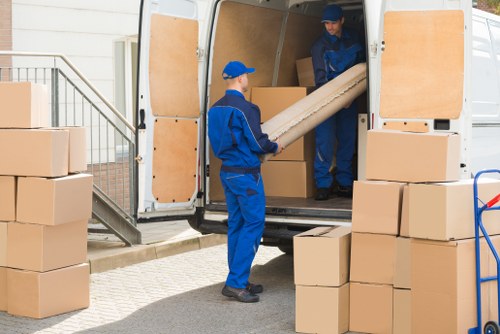 This health and safety policy sets out the standards expected from a removal company operating in a careful, professional, and legally responsible way. It applies to all moving activities, including packing, lifting, loading, transporting, and unloading household or business goods. The aim is to protect staff, clients, visitors, and members of the public from avoidable harm while maintaining efficient service delivery.
All employees, contractors, and supervisors must follow this policy at every stage of the move. Safety is not treated as an optional extra; it is part of everyday operations. For removal companies in Tooting, this means working with consistent risk awareness, clear communication, and proper use of equipment so that each job is completed safely and without unnecessary disruption.
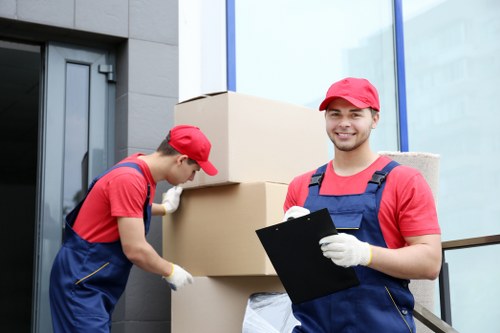 The company will take reasonable steps to identify hazards before work begins. These hazards may include heavy lifting, awkward access routes, poor lighting, wet floors, unstable furniture, sharp objects, and traffic-related risks during loading or unloading. A short risk assessment should be carried out for each assignment, with attention to the property layout, item size, weather conditions, and any special handling requirements.
To support safe working, all staff must be trained in correct manual handling techniques. This includes bending the knees, keeping loads close to the body, avoiding twisting movements, and asking for assistance when an item is too heavy or awkward to move alone. Using trolleys, straps, blankets, and protective covers can reduce strain and prevent damage to property or goods.
Personal protective equipment must be worn where needed. Depending on the task, this may include gloves, high-visibility clothing, safety footwear, and back support where appropriate. Equipment must be suitable for the work being done, inspected before use, and kept in good condition. Any defective item must be removed from service immediately until it has been repaired or replaced.
 The company expects all team members to maintain a tidy and organised working area. Corridors, stairs, entrances, and vehicle loading points should remain free from unnecessary clutter. Cables, packaging materials, and loose debris should be cleared as work progresses. A clean environment reduces the chance of slips, trips, and falls, which are among the most common causes of workplace injury.
Communication is essential throughout the removal process. Team members should agree on lifting plans, movement routes, and item placement before handling begins. Clear verbal instructions and hand signals may be used when required, especially in noisy environments or when visibility is limited. The person in charge of the job must ensure that everyone understands their role and works in a coordinated manner.
The safe use of vehicles is also central to this policy. Drivers must hold the correct licence, comply with road rules, and ensure that loads are secured properly before travel. Vehicles should be checked regularly for tyre condition, lights, mirrors, fuel levels, and general roadworthiness. Overloading, poor stacking, and unsecured items can create serious hazards during transit and must be avoided.
Where sensitive, heavy, or valuable items are involved, extra care must be taken. Items such as glass, mirrors, appliances, and office equipment should be packed and lifted using methods that reduce breakage and injury risk. Removal companies should also consider the welfare of customers and residents by minimising obstruction, keeping pathways clear, and working respectfully in shared spaces.
In the middle of every job, a quick review should be made if circumstances change. This may include sudden rain, access problems, fatigue, or the discovery of items that are larger or heavier than expected. If a task becomes unsafe, work should pause until the issue is resolved. No employee should be pressured to continue when they believe there is a genuine danger to health or safety.
First aid arrangements must be in place at all times. At least one trained first aider or appointed responsible person should be available on larger jobs, and a stocked first aid kit should be accessible in the vehicle or work area. Any injury, however minor, must be reported promptly and recorded in line with company procedures. Near misses should also be logged so that future incidents can be prevented.
Accident reporting and investigation are essential to continuous improvement. If an incident occurs, the company will review what happened, identify the cause, and introduce corrective action where necessary. This may involve updating training, replacing equipment, improving planning, or revising lifting procedures. Learning from incidents helps strengthen the overall safety culture of removal services.
Supervisors are responsible for ensuring that staff are fit for duty and able to perform tasks safely. Fatigue, illness, stress, or impairment from alcohol or drugs can increase the chance of mistakes and injuries. Anyone who is unwell or unfit to work must report this immediately. The company will support a sensible working pace and encourage breaks during long or physically demanding assignments.
Customers also have a role in supporting safe operations. They should be asked to provide accurate information about access, item weight, fragile belongings, parking restrictions, and any known hazards before the move. This helps the team plan properly and select the right resources. When clients cooperate, the work can be completed more safely and with less disruption.
 The company is committed to reviewing this policy regularly to keep it current and effective. Legal requirements, working practices, and operational needs may change over time, so the policy will be updated whenever necessary. Managers will monitor compliance, and any failure to follow safety procedures may lead to corrective action. A strong safety culture benefits staff, clients, and the wider community.
 Ultimately, this policy reflects the company’s commitment to professionalism, care, and accountability. Every move should be carried out with attention to detail, respect for property, and a clear focus on preventing harm. By applying safe systems of work, proper training, and reliable supervision, removal companies in Tooting can deliver a service that is both efficient and responsible.
Health and safety is a shared responsibility, and every team member is expected to uphold these standards at all times. Through planning, communication, equipment checks, and safe manual handling, the company can reduce risk and maintain high service standards on every assignment.